A floor made by hand, on site
Most flooring is manufactured somewhere else and installed in your home. A metallic epoxy floor is the opposite: it’s created in place. After the slab is ground, repaired and primed, a clear epoxy loaded with metallic and pearl pigments is poured and spread. In that fluid window, the crew drags, rolls and feathers it to raise ribbons, eddies and pockets of shine. When it hardens, every stroke is frozen in place.
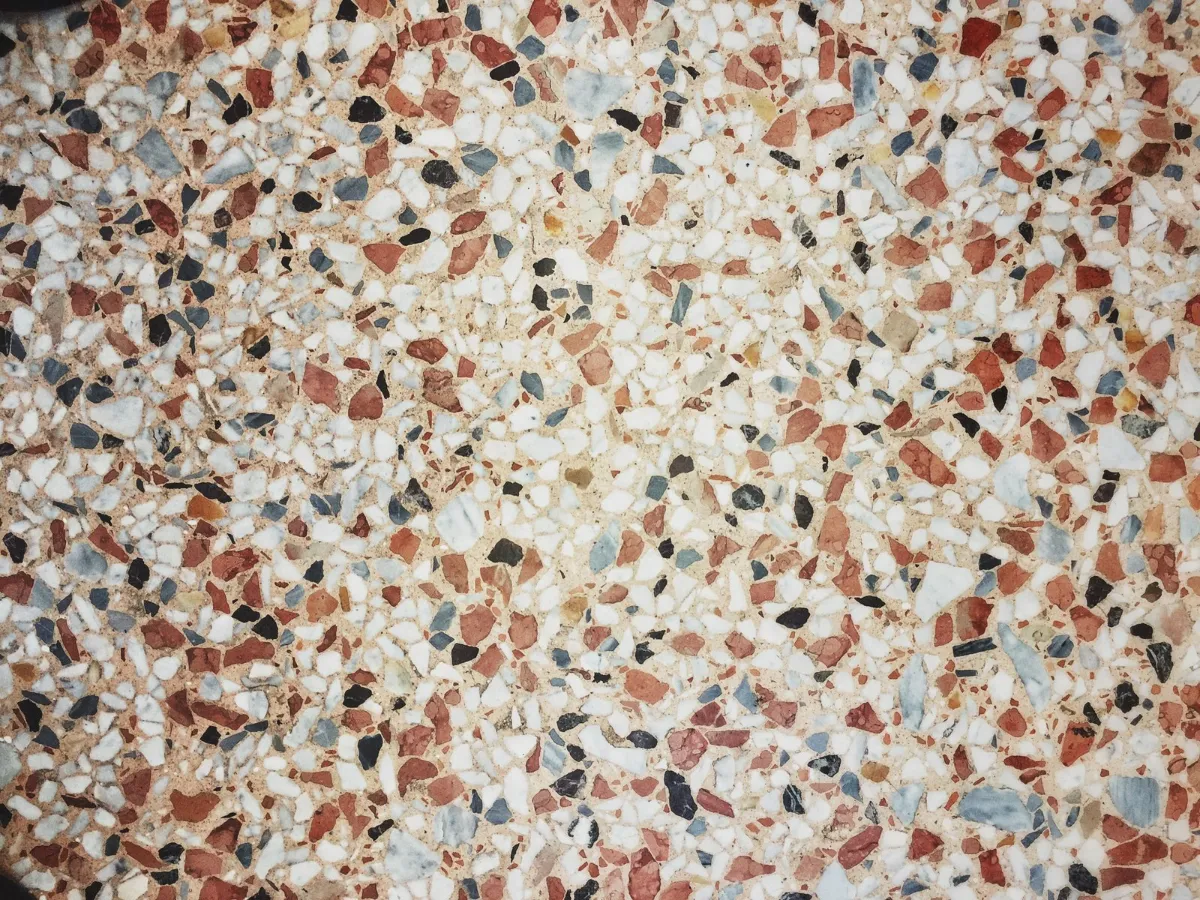
Because each floor is shaped in real time, no two are identical — even with the same colors. That individuality is the main reason people choose metallic. The finished surface has a three-dimensional quality, catching light differently as you walk across it, and it can look like anything from soft marble to dramatic lava rock.
Rooms where metallic shines
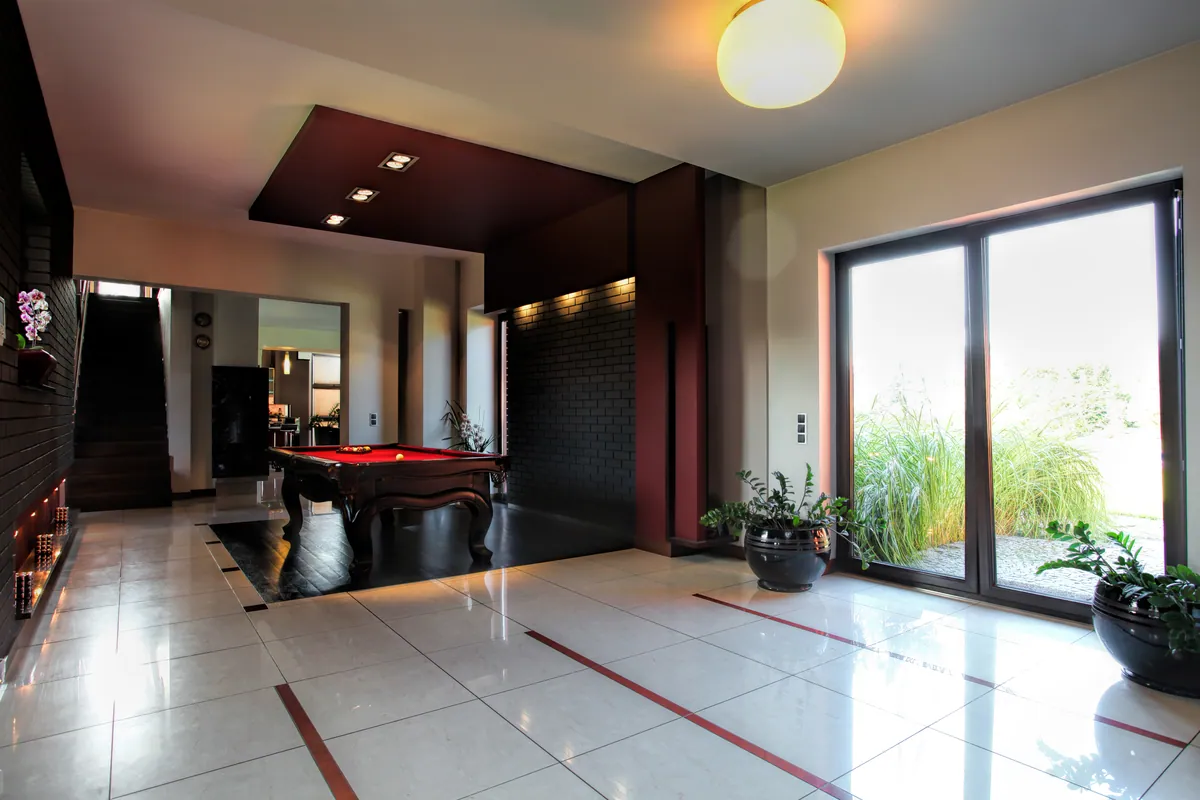
- Game and media rooms — a dramatic, durable floor under pool tables and lounge seating
- Home bars and wine rooms — dark bases with copper or gold movement feel warm and intimate
- Casitas and guest suites — a memorable finish that’s easy to clean between visits
- Entries and great rooms — seamless flow across large open spaces
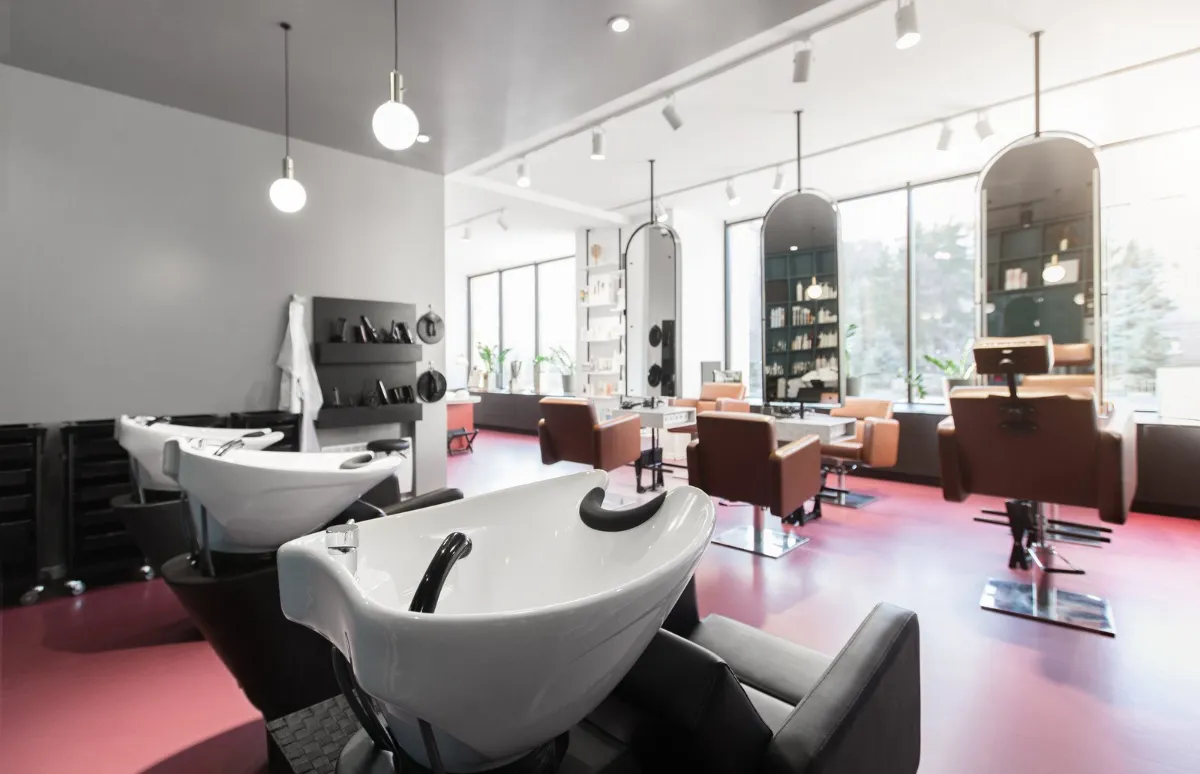
- Studios, salons and showrooms — a branded, high-impact first impression
- Collector garages — for climate-controlled spaces where a car is on display
What makes metallic worth it
Genuinely unique
Your floor is shaped by hand for your room; it can’t be duplicated.
Seamless and spacious
No grout or transitions, so rooms feel larger and more continuous.
Reflective
Pearl pigments bounce light around, brightening rooms with limited windows.
Durable surface
A urethane or polyaspartic topcoat protects against scratches, spills and UV.
Refreshable
The protective topcoat can be renewed later without disturbing the design.
Palettes we often create in Anthem homes
Desert gold
Champagne and soft gold over warm cream — echoing late-afternoon light on the foothills.
Copper canyon
Copper, bronze and espresso with deep veining. Rich and dramatic for bars and game rooms.
Turquoise & gold
A nod to Southwestern jewelry: blue-green movement with gold highlights.
Pewter & pearl
Cool silvers and grays for modern interiors and gallery-like spaces.
Marble white
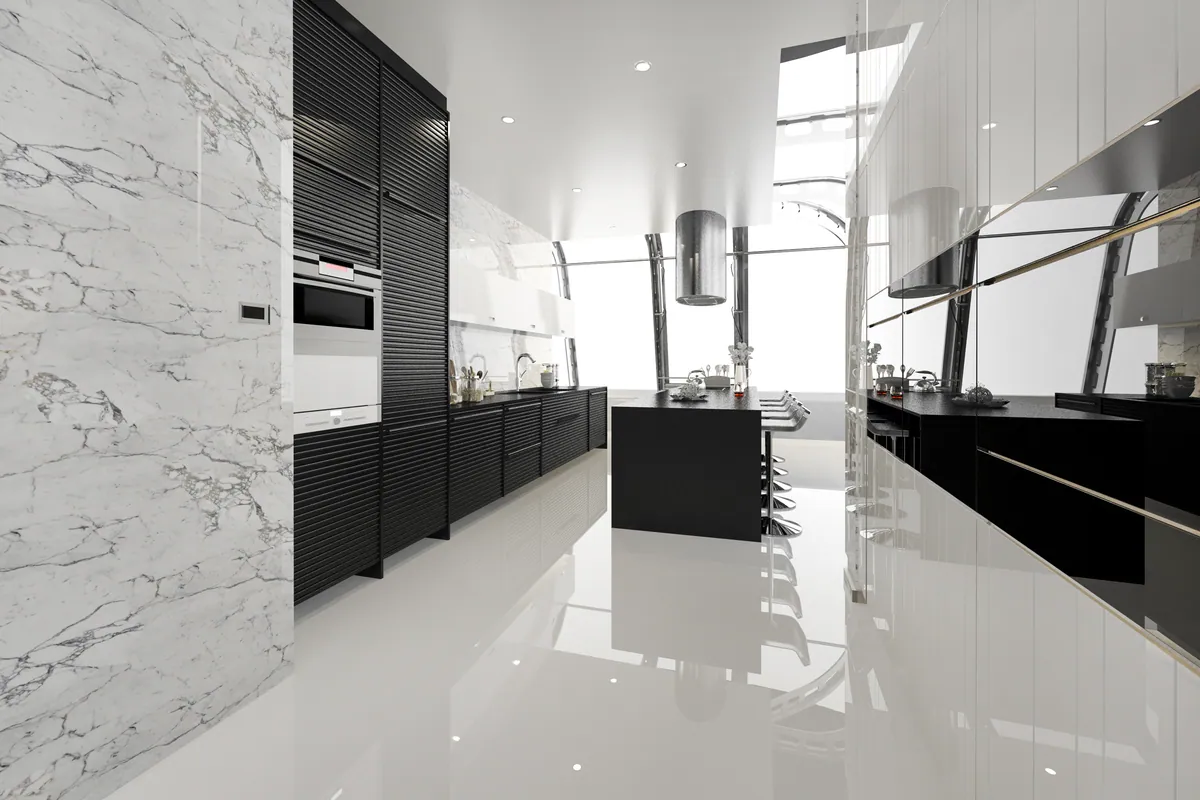
Bright white with gray or gold veining for a classic, high-end stone look.
The design and installation process
- 01
Design consultation
We discuss the room, the light and your furnishings, then build sample boards in your chosen colors and movement style.
- 02
Precision prep
The slab is ground flat and every crack, joint and divot is filled. Metallic finishes reveal flaws, so nothing is left to chance.
- 03
Prime and set the base
A primer seals out air bubbles and a tinted base sets the background tone.
- 04
Pour and shape
The metallic coat is mixed in consistent batches, placed in a planned sequence and shaped while wet.
- 05
Protect
After cure, a clear UV-stable topcoat adds wear resistance and sets the sheen.
- 06
Reveal
We review the floor with you and explain cure times and care.
Why metallics need a seasoned installer
Metallic epoxy is the least forgiving finish in our lineup. The resin has a limited working time and continues moving as it levels, so the installer must anticipate where pigments will drift. Inconsistent batches create color shifts across a room. Edges between sections must be kept wet or a seam appears. And any flaw in the slab — a crack, a patch not ground flush — telegraphs straight through.
Every pour is rehearsed: mixer, spreader, shaper, and a set path toward the exit. That planning is how a floor ends up looking like a deliberate work of art rather than a happy accident.
Metallic epoxy rewards planning and punishes improvisation.
Living with a glossy floor in the desert
Two practical considerations come with metallic floors in Anthem. First, sunlight. Large windows and sliding doors let in strong UV that can gradually shift epoxy colors. Each metallic job gets a sun-resistant clear layer, and in bright rooms we lean toward colors that mellow nicely.
Second, dust. High-gloss surfaces show dust and footprints more readily than textured ones. A satin topcoat, good entry mats and a quick daily pass with a microfiber mop keep metallic floors looking freshly polished.
Care and upkeep
Dry mop with microfiber to remove grit, which is what dulls a glossy finish. Damp mop with a neutral cleaner. Avoid waxes, oil soaps and abrasive pads. Use felt pads under furniture and rugs in heavy traffic paths. When the topcoat eventually shows wear in walkways, it can be scuffed and recoated, restoring the shine without touching the design underneath.
Planning around furniture and light
A metallic floor changes through the day. Morning light from the east brings out cool pearl tones; low western sun warms everything and exaggerates depth. Overhead LEDs create bright highlights on gloss. Ideally we view the space at the hour you spend in it, since that’s the light you’ll judge it by.
Furniture placement matters too. A busy pattern can compete with a patterned rug or strongly veined countertops, while a quieter marble drift lets them shine. Where a big sofa or billiard table will hide a chunk of floor, we save the boldest swirls for the open walkways.
Metallic for businesses
Salons, boutiques, tasting rooms and showrooms use metallic floors to create an immediate impression. Colors can echo branding or simply add warmth to a plain space. In commercial settings we specify a tougher topcoat for rolling chairs and frequent cleaning, add a fine texture at entrances, and schedule installation after hours to keep the business open.
Is metallic the right choice?
It’s for owners who enjoy a little unpredictability and want something nobody else has. If you prefer a uniform look, a satin solid may suit you better. Gritty, high-traffic rooms do better with fine chips. Often the smart move is a mix: shimmer in the game room, speckle in the laundry next door. We’re happy to talk it through honestly.
What drives the price of a metallic floor
Metallic floors involve more labor and material than solid or flake finishes. Preparation is more exacting, the design process includes custom sample boards, and the pour itself requires a larger, coordinated crew. Room shape, the number of colors and the choice of topcoat also play a part. Your quote itemizes these so there are no surprises.
Metallic in casitas and guest suites
Casitas are a popular feature in Anthem homes, and many owners want them to feel special rather than like an afterthought. A metallic floor gives a guest suite a boutique-hotel feel while remaining easy to clean between visits. Warm palettes like champagne or desert gold suit most casitas, and a satin topcoat keeps the look refined rather than flashy.
Gloss or satin?
Gloss shows the full depth of a metallic floor and makes colors look rich and wet, but it highlights dust, footprints and fine scratches. Satin softens reflections, hides everyday wear and reads a little more relaxed. In busy family rooms and casitas many owners choose satin; in bars, showrooms and statement entries, gloss often wins.
Sample boards: why we insist on them
Photos online are a starting point, but metallic pigments shift dramatically with lighting, base color and technique. We pour real sample boards using your chosen palette so you can hold them in the room, tilt them toward the window and see how they react to your lamps at night. It’s the single best way to avoid surprises on a floor that will be with you for years.
Common questions
Can I control the exact pattern?
You choose colors and the general style, and we create samples. Gravity and flow finish the design, which is why yours will be one of a kind.
Are metallic floors slippery?
Polished surfaces get slippery under socks or a wet foot. A fine, nearly invisible texture can be added to the topcoat for better grip.
Will it scratch?
Any glossy floor can show fine scratches. Felt pads, rugs and a tough topcoat minimize them; satin hides them best.
How long does it take?
Typically three to four days including cure time, with furniture returning a day or two afterward.
Can metallic go in my garage?
In a climate-controlled collector garage, yes. For everyday garages we usually recommend flake for durability.
How do I clean up spills?
Soak it up with a soft towel, then wipe with mild soapy water. Thanks to the clear seal, few spills leave a mark if handled the same day.
Can a damaged metallic floor be repaired?
Small topcoat chips usually can. Deep gouges are tough to match in a one-off pattern, so felt pads and rugs are cheap insurance.
Do you offer metallic for commercial spaces?
Yes. Salons, boutiques and showrooms often choose metallic, with a tougher topcoat for chairs, carts and frequent cleaning.